
How to Stop Grocery Runs Eating Your Weeknight Evenings
Practical strategies for busy urban adults to reclaim evenings by planning, batching, and using predictable grocery delivery with smart lists and decision rules.

Why weeknight grocery runs drain your time—and what to measure
Evening grocery runs are deceptively costly for busy urban adults: a 20–40 minute trip can turn a tired commute into lost time for cooking, family, or relaxation. Beyond the minutes in transit, there’s waiting in line, scanning shelves for substitutes, and decision friction that multiplies small choices into a mental tax. Tracking the real cost—minutes spent, number of runs per week, and late-night purchasing patterns—helps you see how groceries fragment your evenings and eat into leisure and productivity. This is a core time-management issue for professionals, small households, and seniors who need predictable routines.
Measure two simple metrics for a quick diagnostic: total minutes per week spent on grocery shopping and percent of trips that were unplanned. Those numbers reveal low-hanging fruit. When you know the pattern—frequent runs after work, empty-fridge emergencies, or repeated trips for overlooked staples—you can apply targeted fixes. Tools that compare prices and availability across stores and offer tight delivery windows reduce the friction that causes multiple, inefficient trips and help you reclaim valuable weeknight hours.
Practical strategies: plan, batch, and reduce decision friction
Start with planning and batching to consolidate trips. Create a weekly menu template and convert recipes to a grocery list once—this reduces ad-hoc choices and speeds shopping. Batching means one intentional grocery session per week (or using scheduled deliveries) rather than multiple mid-week runs. For time-pressed professionals, use a consistent shopping day and set reminders to build the habit. This structural approach frees up weeknights and reduces the cognitive load of daily meal decisions, which boosts overall productivity and reduces stress.
Next, simplify decisions with rules: adopt a small set of trusted brands for staples, use substitution rules (e.g., accept any low-fat yogurt brand), and keep a persistent staples list that auto-populates. Smart reorder features and recipe-to-cart conversions can automate recurring purchases so you rarely need to think about them. Combined with price-and-availability comparison across nearby stores, these techniques protect your budget while cutting the time spent deciding and searching.
Use delivery windows and live ETA to reclaim evenings reliably
Switching to delivery with guaranteed short windows is the most direct way to stop grocery runs from hijacking nights. Choose services that offer tight same-day or one-hour windows with live ETA and substitution control so you know exactly when groceries arrive and what alternatives are acceptable. For busy urban households and seniors, predictable delivery timing removes the need to be home early or to make last-minute store visits. Live driver updates and delivery photos give reassurance and cut follow-up calls, making evening planning simple.
Combine delivery with automation: schedule recurring deliveries for staples and use multi-store price comparison so you always get the best available deal in one cart. Set decision rules for substitutions and enable smart reorder to keep your fridge stocked without weekly effort. These tactics reduce anxiety, preserve your budget, and restore evening routines. Over a month, the time savings add up—turning multiple disrupted nights into reclaimed hours for rest, family, or focused work.
Why weeknight grocery runs drain your time—and what to measure
Evening grocery runs are deceptively costly for busy urban adults: a 20–40 minute trip can turn a tired commute into lost time for cooking, family, or relaxation. Beyond the minutes in transit, there’s waiting in line, scanning shelves for substitutes, and decision friction that multiplies small choices into a mental tax. Tracking the real cost—minutes spent, number of runs per week, and late-night purchasing patterns—helps you see how groceries fragment your evenings and eat into leisure and productivity. This is a core time-management issue for professionals, small households, and seniors who need predictable routines.
Measure two simple metrics for a quick diagnostic: total minutes per week spent on grocery shopping and percent of trips that were unplanned. Those numbers reveal low-hanging fruit. When you know the pattern—frequent runs after work, empty-fridge emergencies, or repeated trips for overlooked staples—you can apply targeted fixes. Tools that compare prices and availability across stores and offer tight delivery windows reduce the friction that causes multiple, inefficient trips and help you reclaim valuable weeknight hours.
Practical strategies: plan, batch, and reduce decision friction
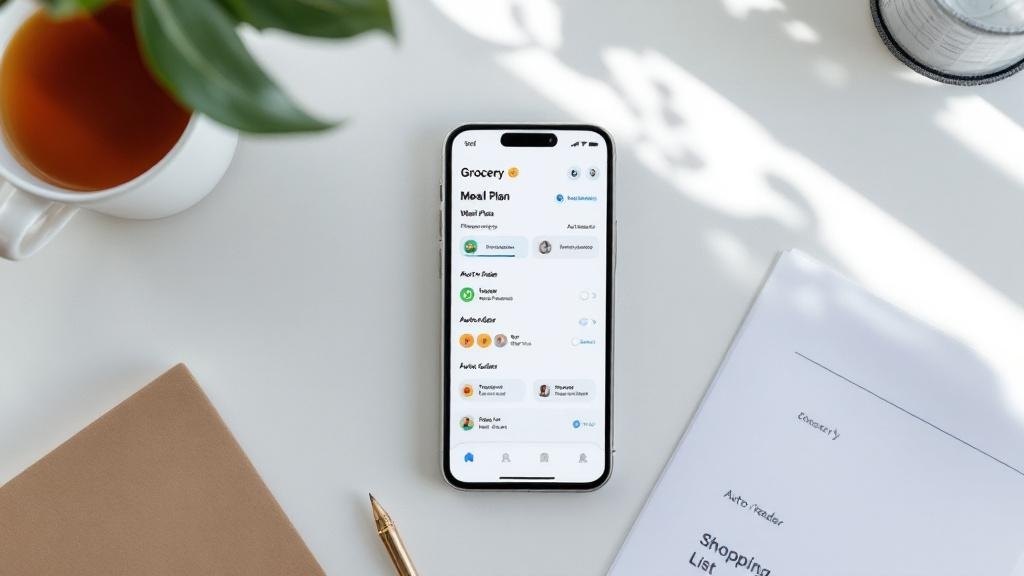
Start with planning and batching to consolidate trips. Create a weekly menu template and convert recipes to a grocery list once—this reduces ad-hoc choices and speeds shopping. Batching means one intentional grocery session per week (or using scheduled deliveries) rather than multiple mid-week runs. For time-pressed professionals, use a consistent shopping day and set reminders to build the habit. This structural approach frees up weeknights and reduces the cognitive load of daily meal decisions, which boosts overall productivity and reduces stress.
Next, simplify decisions with rules: adopt a small set of trusted brands for staples, use substitution rules (e.g., accept any low-fat yogurt brand), and keep a persistent staples list that auto-populates. Smart reorder features and recipe-to-cart conversions can automate recurring purchases so you rarely need to think about them. Combined with price-and-availability comparison across nearby stores, these techniques protect your budget while cutting the time spent deciding and searching.
Use delivery windows and live ETA to reclaim evenings reliably
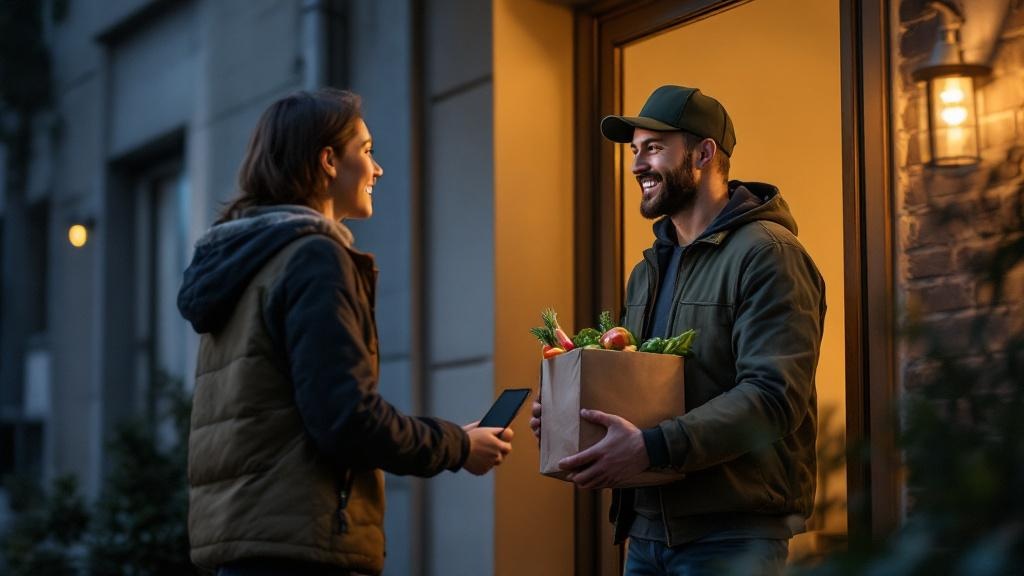
Switching to delivery with guaranteed short windows is the most direct way to stop grocery runs from hijacking nights. Choose services that offer tight same-day or one-hour windows with live ETA and substitution control so you know exactly when groceries arrive and what alternatives are acceptable. For busy urban households and seniors, predictable delivery timing removes the need to be home early or to make last-minute store visits. Live driver updates and delivery photos give reassurance and cut follow-up calls, making evening planning simple.
Combine delivery with automation: schedule recurring deliveries for staples and use multi-store price comparison so you always get the best available deal in one cart. Set decision rules for substitutions and enable smart reorder to keep your fridge stocked without weekly effort. These tactics reduce anxiety, preserve your budget, and restore evening routines. Over a month, the time savings add up—turning multiple disrupted nights into reclaimed hours for rest, family, or focused work.